
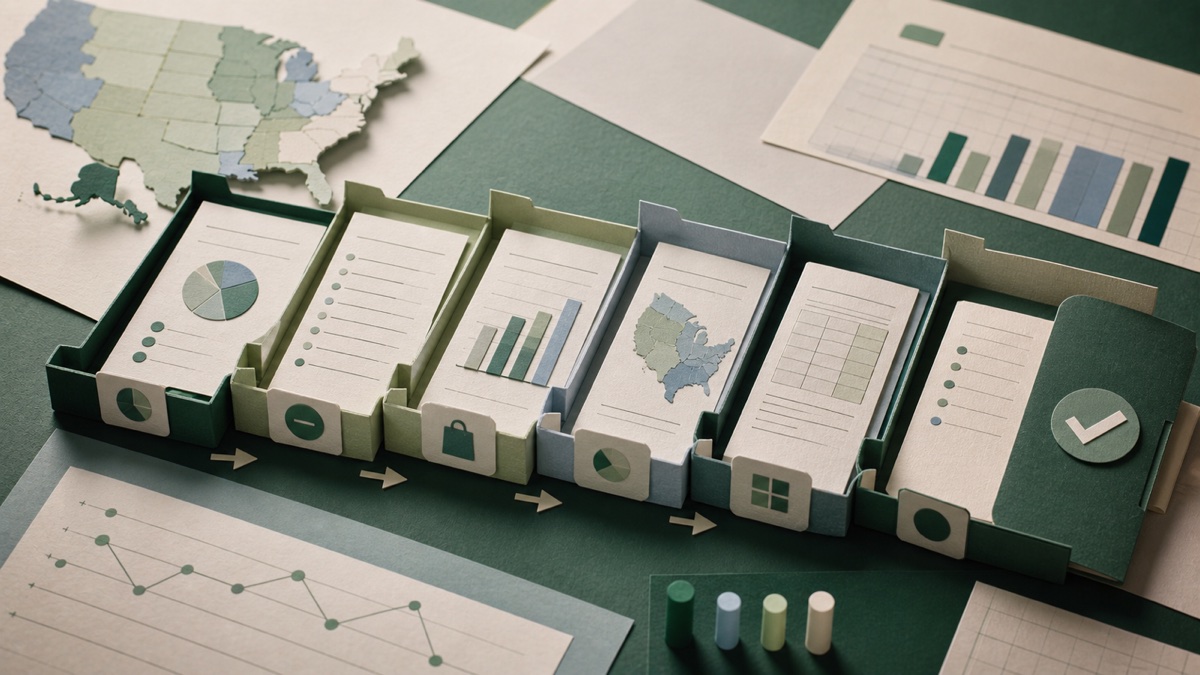
A sales tax return should be the output of a reconciliation, not a copy of the tax amount shown by checkout. A complete filing connects gross sales, deductions, exemptions, marketplace activity, taxable sales, jurisdiction allocation, tax collected, payments, and prior-period adjustments.
Key takeaways
Start with the state-assigned frequency and exact filing period.
Reconcile gross sales before calculating taxable sales and tax due.
Keep marketplace, exempt, refunded, and direct sales distinct.
Save the submitted return, payment confirmation, workpapers, and source reports.
Confirm the filing obligation and period
If a period appears to have no liability, follow the zero sales tax return checklist before deciding whether gross sales, deductions, or purchase use tax still need reporting.
Use the state account notice or portal to confirm monthly, quarterly, annual, prepayment, or other frequency. Filing frequency can change after registration, so the compliance calendar must follow current notices rather than the original setup.
Confirm the legal entity, account number, period, due date, time zone, payment cutoff, zero-return requirement, and local schedules before preparing data.
- Verify frequency in the state portal.
- Distinguish return and payment deadlines.
- Include zero returns and prepayments.
- Assign preparer, reviewer, and approver.
Assemble complete source data
Collect order, invoice, refund, exemption, marketplace, tax-engine, payment, and general-ledger data for the period. Preserve gross transaction amounts before fees or settlement deductions.
Use a controlled extract with documented fields and filters. Missing channels, late imports, duplicate orders, or incorrect period cutoffs can distort every later line on the return.
- Reconcile record counts by system.
- Include all selling channels.
- Trace refunds to original orders.
- Document currency conversion where needed.
Reconcile gross sales and deductions
Tie gross sales to the ledger and explain differences such as timing, deferred revenue, chargebacks, and marketplace fees. Then classify allowed deductions for resale, exempt customers, exempt products, interstate sales, returns, or marketplace transactions according to the return instructions.
A deduction is not simply any amount the business did not tax. Each category needs a legal basis and supporting transaction population.
- Build a gross-sales bridge.
- Map each deduction to instructions.
- Retain supporting certificates and reports.
- Avoid undocumented balancing entries.
Calculate taxable sales and jurisdiction tax
After deductions, compare taxable sales and calculated tax with checkout and liability accounts. Review rounding, local rates, sourcing, shipping, discounts, and product mappings when results differ.
Complete state, county, city, district, or location schedules using the required sourcing and allocation. A correct statewide total can still be filed incorrectly if local amounts are assigned to the wrong jurisdiction.
- Tie taxable sales to transaction detail.
- Review combined and component rates.
- Validate local jurisdiction codes.
- Investigate zero-tax taxable orders.
Report marketplace and prior-period items correctly
States differ in how facilitated sales appear on returns. Some request disclosure or deductions even when the facilitator remits; others may treat marketplace-only sellers differently. Follow the current return instructions and keep platform evidence.
Refunds, credits, bad debts, amendments, and prior-period adjustments should use the state’s prescribed process. Do not net an old error into the current return merely because the total seems reasonable.
- Separate facilitator and seller-collected tax.
- Use current marketplace reporting lines.
- Link credits to original periods.
- Amend when required instead of silently netting.
File, pay, and close the period
Review the completed return against workpapers, approve the payment amount, and submit before the deadline. California’s filing guidance notes that due dates depend on assigned frequency and that filers need account, transaction, deduction, and payment information.
Save the filed return, timestamp, confirmation number, payment evidence, source reports, approval, and reconciliation. Confirm the portal accepted both the return and payment, then clear or explain the related liability balance.
- Use dual review for material filings.
- Confirm submission and payment separately.
- Archive a complete period package.
- Track notices and rejected payments immediately.
Frequently asked questions
Do I have to file when there were no sales?
Often yes if the account remains active and the state assigned a zero-return duty. Check the portal and account notice.
Should gross sales equal bank deposits?
Usually not. Deposits can be net of marketplace fees, refunds, reserves, and payment costs. Reconcile deposits to gross orders rather than substituting cash for sales.
Can marketplace sales be omitted?
Do not assume so. A state may require marketplace sales to be disclosed or deducted on specified lines even when the facilitator remits the tax.
How should a past filing error be fixed?
Follow the state’s amendment, credit, or adjustment procedure for the affected period. Do not automatically include it in the current return.
Official sources
Reviewed against the following primary sources on Aug 8, 2026.