

Shipping Tax on Mixed Carts: Taxable and Exempt Items
Handle shipping tax on mixed carts with a New York allocation example, free-shipping checks, discount scenarios, refunds, and a practical checkout test plan.
Read official-source 2026 articles on sales tax nexus, remote sellers, SaaS, marketplaces, tax holidays, and eCommerce.
Handle shipping tax on mixed carts with a New York allocation example, free-shipping checks, discount scenarios, refunds, and a practical checkout test plan.

Learn why an active sales tax account may still need a return with no sales, and check exempt sales, marketplace receipts, use tax, and account closure.
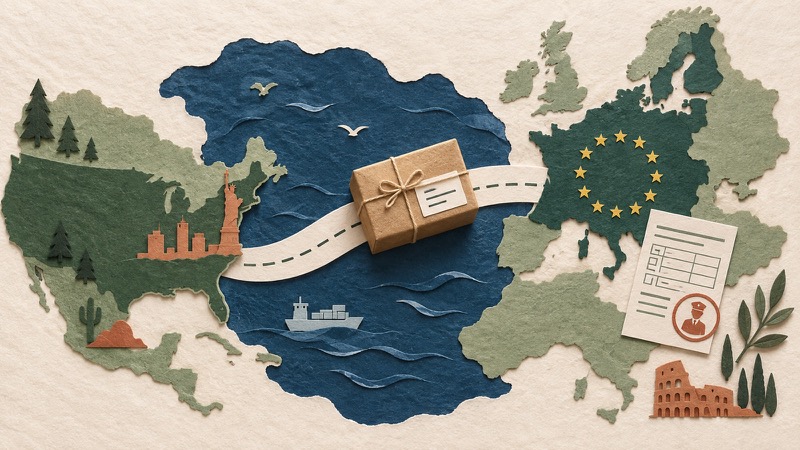
Understand IOSS for US sellers: eligible consignments, EU intermediaries, marketplace orders, monthly VAT reporting, and the separate July 2026 customs duty.

Separate sales tax from a tax-inclusive total with a simple formula, worked examples, and checks for mixed baskets, fees, discounts, and rounding.

Understand why an unpaid invoice does not automatically reverse sales tax, and what to check before claiming state bad debt relief.

Trace sales tax rounding differences through line items, invoice totals, rate components, discounts, and refunds with a clear worked example.
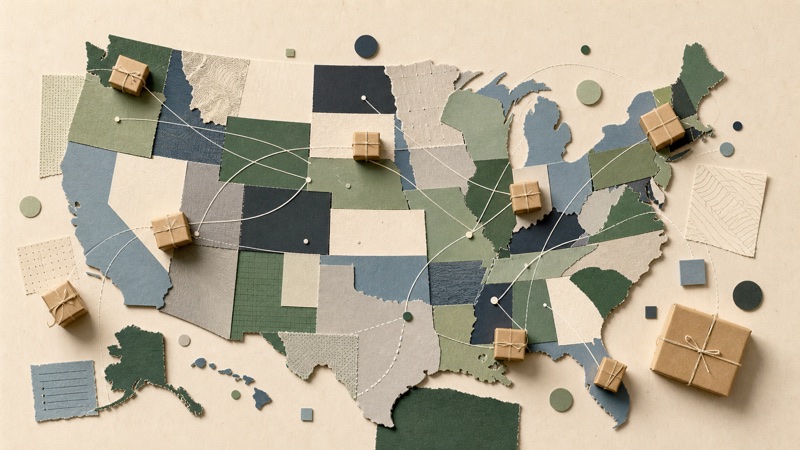
A practical 2026 workflow for finding nexus, registering in the right states, collecting accurately, and keeping multi-state filings under control.

Learn how sales bases, measurement periods, marketplace orders, and changing transaction tests affect economic nexus monitoring in 2026.

Seven preventable errors that lead to incorrect checkout tax, late returns, weak exemption records, and avoidable audit exposure.

Understand what marketplaces usually collect, what sellers still own, and how to reconcile facilitated and direct sales without double reporting.

Prepare products, price caps, local rules, discounts, returns, and checkout timing for the official 2026 state sales tax holiday calendar.

A practical way to analyze SaaS taxability using product facts, customer location, state classifications, bundled services, and current authority.

Build a reliable cross-border checkout process for VAT, GST, customs duties, low-value imports, customer evidence, and marketplace responsibilities.

A step-by-step sales tax registration workflow covering nexus confirmation, application data, collection dates, account setup, and post-registration controls.

Learn how sales tax sourcing identifies the jurisdiction and rate for shipped goods, pickup orders, services, remote sales, and multi-location customers.

Understand how states can treat shipping, delivery, freight, postage, handling, bundled charges, free shipping, and returns differently.

A practical framework for classifying downloads, streaming, digital goods, online content, software, subscriptions, and automated services.

Prepare for a sales tax audit with a controlled data request process, transaction reconciliations, exemption evidence, system documentation, and issue tracking.

A repeatable filing workflow for reconciling gross sales, deductions, marketplace activity, taxable sales, jurisdiction schedules, payments, and amendments.

Learn how store discounts, manufacturer coupons, third-party vouchers, gift cards, loyalty rewards, bundles, and refunds can change the taxable amount.

Map the retailer, supplier, customer, resale documentation, nexus, sourcing, marketplace, and drop-shipment rules before configuring tax.

Understand consumer use tax, seller-collected use tax, untaxed purchases, inventory withdrawals, cross-jurisdiction rate differences, and reporting controls.

Compare collection stages, input credits, registration, invoices, B2B treatment, imports, platforms, rates, and reporting across major consumption-tax systems.

Learn when resale certificates apply, which form to collect, how sellers should validate them, and how to keep exemption records ready for audit.

A seller workflow for refunding tax, handling partial returns and restocking charges, correcting filed periods, and reconciling exchanges across channels.

Learn how mixed taxable and exempt items, allocation records, packaging, discounts, shipping, and subscriptions affect tax on product bundles.

A controlled offboarding process for confirming nexus has ended, filing final returns, closing state accounts, preserving records, and preventing future notices.

Why the shipping address usually matters more than the billing address for sales tax, where pickup and digital orders differ, and how sellers can prevent address-based rate errors.
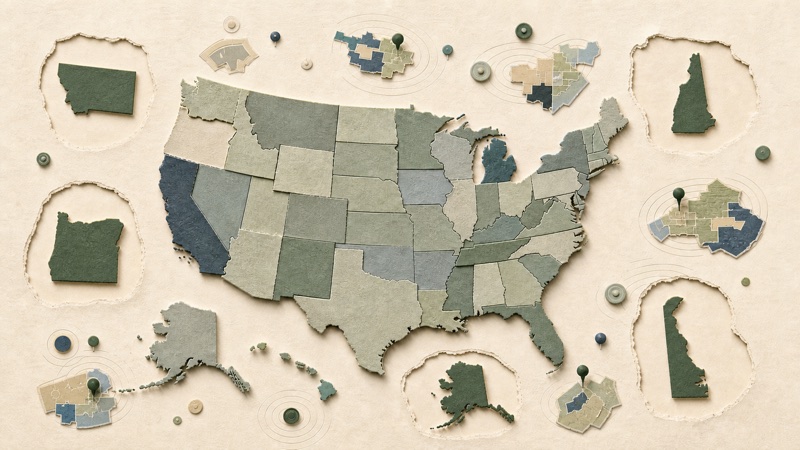
A practical look at Alaska, Delaware, Montana, New Hampshire, and Oregon—and why “no state sales tax” does not mean every transaction is tax-free.

A practical method for deciding whether consulting, repair, installation, digital, maintenance, and bundled services are subject to sales tax.
How purchase tax, recurring rental charges, equipment location, mandatory fees, subleases, and buyouts affect sales tax on leased property.

Why trade-in credits, manufacturer rebates, dealer discounts, down payments, and incentives can produce different taxable amounts by state.